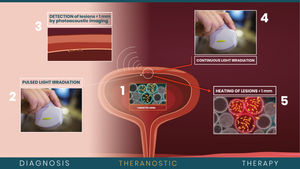
Refractory overactive bladder in women is a complex clinical condition, and its diagnostic and therapeutic management remains a subject of ongoing debate within the scientific community. In particular, the role of urodynamic testing in the evaluation of these patients has recently been called into question by the FUTURE study published by Abdel-Fattah et al., a randomized controlled trial conducted on 1,099 women with symptoms of refractory overactive bladder, which compared the use of urodynamic testing with a comprehensive clinical evaluation alone, while also analyzing its cost-effectiveness.
Although the study represents a methodologically robust contribution with the potential to change clinical practice, our researchers sought to offer, through a commentary published in The Lancet, some critical observations highlighting that urodynamic testing cannot be considered obsolete in the evaluation of these patients. The most significant finding emerging from the FUTURE study actually concerns a specific subgroup of women: 65 out of 487 patients (13%) had their diagnosis changed from refractory overactive bladder or mixed urinary incontinence to urodynamically confirmed stress urinary incontinence. This finding suggests that, while urodynamic testing is not an essential standard for the general population of women with refractory overactive bladder symptoms, it may be crucial for the accurate characterization of specific patient subgroups, in whom a classification based solely on clinical evaluation could lead to inappropriate or untargeted treatments.

Of particular interest is the analysis of the treatment course for the women involved: in the group that underwent clinical evaluation alone, botulinum toxin A (BoNT-A) was administered more rapidly and frequently than in the group that underwent preliminary urodynamics. However, although the speed of intervention may positively influence short-term subjective outcomes, such promptness may not translate into optimal long-term results, especially when treatment is administered to patients with an unrecognized pathophysiological mechanism, as in the case of women with stress incontinence who were mistakenly treated for overactive bladder.
A long-term analysis of the duration of BoNT-A effects between the two groups would therefore be essential to fully understand the clinical impact of urodynamic testing. From an economic standpoint, the considerations are also significant: in a public health context, where resources must be allocated judiciously, a cost-effectiveness analysis conducted in subgroups of patients with a diagnosis modified by urodynamics could provide crucial data to determine whether this test makes it possible to avoid costly and potentially ineffective treatments.
The clinical implications of the proposed analysis are significant: the FUTURE study demonstrates that a comprehensive clinical evaluation is non-inferior to urodynamic testing in the overall population, but also highlights how urodynamics can be decisive in influencing treatment decisions in specific subgroups of women. Future studies evaluating the efficacy of treatments in patients with modified diagnoses, and exploring the role of urodynamics in identifying predictors of therapeutic response to BoNT-A or neuromodulation, will be essential for defining the true value of a targeted diagnostic-therapeutic approach compared to an empirical one.
Tutolo M, Ammirati E, Montorsi F. Urodynamic testing in refractory overactive bladder symptoms: the FUTURE study. Lancet. 2025 Nov 15;406(10517):2320-2321. doi: 10.1016/S0140-6736(25)01291-7. PMID: 41241509.